Bistro Outdoor Furniture Sets: Table and Chair Dimensions Explained
- sree gowtham aditya
- Jan 30
- 14 min read

What is a Bistro Outdoor Furniture Set? Defining the Classic Outdoor Dining Format
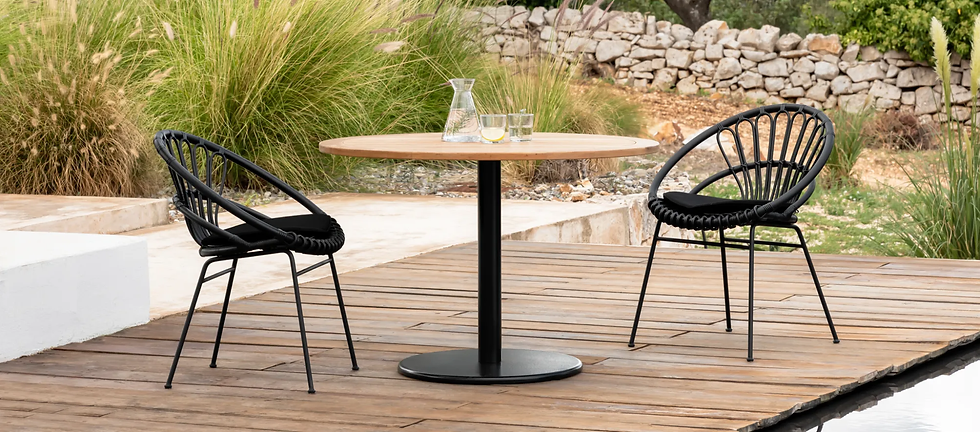
A bistro set is a compact, typically two-person outdoor dining ensemble consisting of a small table and two matching chairs. Originating from the intimate sidewalk cafes of Paris, this furniture format is designed for casual, space-efficient dining on patios, balconies, and in small gardens. Its enduring popularity stems from its ability to create a cozy, conversational atmosphere perfect for morning coffee or an evening aperitif.
1. Historical Origins and Evolution
1.1 The Parisian Cafe Roots
The term "bistro" itself is believed to have originated from the Russian word for "quick," brought to Paris by Russian soldiers in the early 19th century. These establishments needed space-saving furniture that could be easily moved onto sidewalks, giving birth to the iconic small, round table and lightweight chairs. This design maximized limited urban space while fostering a social, accessible dining culture.
By the 1920s, the aesthetic had solidified, with wrought iron becoming the material of choice for its durability and ornate, classic appeal.
1.2 Transition to Modern Outdoor Living
The concept migrated from commercial cafes to residential gardens in the post-war era, particularly in the 1950s and 1960s. As suburban living and patio culture grew in the US, manufacturers began producing bistro sets specifically for home use, experimenting with new materials like aluminum and synthetic rattan. Today, they are a staple of outdoor decor, blending classic form with contemporary function.
Pro Tip: When evaluating a bistro set's authenticity and durability, look for design cues from its heritage. blue-carp designers emphasize that a true bistro set should not only be compact but also feature a stable, weighted base to withstand breezy patio conditions, a direct evolution from its sidewalk cafe origins.
2. Defining Core Characteristics
2.1 The Signature Compact Scale
The most defining feature is its intimate scale. A standard bistro table typically measures between 24 to 30 inches in diameter, with a height around 28 inches. This compact footprint, often under 4 square feet, makes it uniquely suited for apartments, townhouses, and cozy corners of larger decks where a full dining set would overwhelm the space.
2.2 Design and Material Hallmarks
While designs vary, classic elements persist. These often include a round or small square tabletop and chairs with open backs. The material choice directly impacts style and longevity:
Wrought Iron: Offers classic, ornate appeal and superior stability
Aluminum: Provides a lightweight, rust-proof, and modern look
Wood (Teak, Eucalyptus): Delivers a natural, warm aesthetic that weathers gracefully
All-Weather Wicker: Adds texture and contemporary comfort for lounge-like seating

3. Primary Functions and Modern Use
3.1 Creating Intimate Outdoor Zones
Beyond mere seating, a bistro set's function is to define a purposeful, intimate zone within a larger outdoor area. It creates a dedicated spot for casual conversation and relaxation, separate from primary dining or grilling stations. This makes it perfect for a breakfast nook, a reading corner, or a cocktail spot as the sun sets.
3.2 Versatility Beyond Dining
Its utility extends far beyond meals. The small table serves as a perfect side table for potted plants, a holder for drinks while lounging, or even a compact outdoor workspace. This multifunctionality is a key reason for its popularity, offering a high utility-to-space ratio that larger sets cannot match.
Standard Bistro Table Dimensions: Finding the Perfect Fit for Your Space
Selecting the right bistro outdoor furniture sets starts with understanding standard table dimensions. The size of your table dictates not only how many people can comfortably sit but also how the set will fit within your patio, balcony, or garden layout. This guide breaks down the standard sizes for circular, square, and rectangular bistro tables to help you make an informed choice for your space.
1. Standard Bistro Table Sizes by Shape
Bistro tables come in three primary shapes, each with its own standard size range and spatial footprint. The most common table height for all styles is between 28 to 30 inches, designed to pair with standard chair seat heights of 17-19 inches.
1.1 Circular Bistro Tables
Circular tables are a classic choice for intimate, conversational settings. The standard diameter ranges from 30 to 36 inches. A 30-inch table comfortably seats two, while a 36-inch version can often accommodate four people for a cozy meal.
Their round shape promotes easy movement and conversation, making them ideal for corners or as a central focal point without sharp edges interrupting flow.
1.2 Square Bistro Tables
Square bistro tables offer a modern, space-efficient profile. Standard dimensions are typically 24x24 inches to 32x32 inches. A 24-inch square is perfect for a tight two-person balcony setup, whereas a 32-inch square provides more generous surface area.
This shape fits neatly against walls or in linear arrangements, maximizing small spaces. Ensure you allow at least 24 inches of clearance on each side for chair pull-out.
1.3 Rectangular Bistro Tables
Rectangular tables provide a more formal dining feel and greater capacity. Common sizes range from 24x36 inches to 30x48 inches. The longer dimension allows them to seat four to six people, depending on the exact length.
They are best suited for longer, narrow spaces like along a railing or fence line. Their linear form guides traffic flow and can define an eating area within a larger deck.
Table Shape | Standard Dimensions (inches) | Typical Seating Capacity | Best For |
Circular | 30" - 36" diameter | 2 - 4 | Intimate conversation, corner placement |
Square | 24"x24" - 32"x32" | 2 - 4 | Small balconies, modern spaces, against walls |
Rectangular | 24"x36" - 30"x48" | 4 - 6 | Narrow decks, family dining, linear layouts |
2. How Dimensions Impact Space and Experience
Choosing a bistro table size isn't just about the furniture itself; it's about the experience it creates. The right dimensions ensure comfort, functionality, and harmonious integration with your outdoor area.
2.1 Calculating Your Space Requirements
To avoid a cramped setup, you must account for the "use zone" around the table. A good rule is to add 36 to 42 inches to the table's total width and length to allow for pulled-out chairs and walking space.
Measure your available space length and width
Subtract 36-42 inches from each measurement to find your maximum table size
Consider traffic pathways and door swings
Visualize the footprint with painter's tape on the ground
2.2 Optimizing Comfort and Function
Table size directly affects dining comfort and utility. A table that's too small leaves guests feeling crowded, while one that's too large can make conversation difficult and dominate a small patio.
Pro Tip: For compact urban spaces, the design team at blue-carp often recommends a 28-inch round or 24-inch square table. These sizes provide ample surface for two while maintaining an open, airy feel, which is crucial for making a small balcony appear larger.
Key Takeaway: The perfect bistro table size balances proportional aesthetics with practical clearance. Always prioritize a minimum of 24 inches of space per diner at the table's edge and 36 inches behind for chair movement.
By matching standard dimensions to your specific spatial constraints and intended use, you can select a bistro set that enhances both the functionality and beauty of your outdoor living area.
Bistro Chair Dimensions and Styles: Armchairs vs. Side Chairs Explained
Choosing the right chairs is crucial for creating a comfortable and stylish bistro outdoor furniture set. The decision between armchairs and side chairs hinges on understanding their standard dimensions and how they align with different design aesthetics. This guide breaks down the key measurements and styles to help you make an informed choice for your patio or garden space.
1. Core Dimensions: Armchairs vs. Side Chairs
Standard dimensions dictate comfort, space planning, and visual proportion. Here’s a breakdown of the key measurements for both chair types.
1.1 Seat Height and Depth
Seat height is the most critical dimension for comfort, typically ranging from 17 to 19 inches to align with standard table heights. Side chairs often have a slightly shallower seat depth (16-18 inches) to facilitate easy movement in and out, while armchairs may offer a deeper seat (18-20 inches) for enhanced lounging comfort.
Proper seat depth ensures thighs are fully supported without pressing against the back of the knee, a key ergonomic principle for extended seating.
1.2 Overall Width and Height
The overall width is where the two types diverge significantly. A typical side chair width is 16-20 inches, whereas an armchair adds 6 to 10 inches in total width due to the arms. Overall height for both styles usually falls between 32 and 36 inches, contributing to the visual scale of your outdoor setting.
This width difference directly impacts how many chairs you can fit around a table and the overall footprint of your outdoor bistro chair arrangement.
2. Style Profiles and Their Typical Dimensions
Dimensions often correlate with specific design styles. Recognizing these patterns helps in selecting chairs that match your desired aesthetic.
2.1 Classic Parisian Bistro Style
The iconic Parisian bistro chair is almost exclusively a side chair, known for its slender, elegant profile. Key dimensions include a narrow seat width (around 16 inches), a graceful curved back, and a total height of approximately 34 inches. These chairs are designed for compact, cafe-style seating.
Their lightweight and stackable nature makes them a versatile choice for maximizing space in smaller patio areas.
2.2 Modern and Transitional Styles
Modern outdoor chairs embrace cleaner lines and often feature both arm and armless options. Seat dimensions tend to be more generous, with widths up to 22 inches for side chairs. Armchairs in this style frequently use squared-off arms and deeper seats, prioritizing contemporary comfort.
Materials like powder-coated aluminum or synthetic wicker define this look, with dimensions optimized for plush outdoor cushions.
3. How to Choose: A Practical Comparison
Your choice depends on space, intended use, and comfort needs. The following table and factors provide a clear decision-making framework.
3.1 Direct Comparison Table
This table summarizes the key dimensional and functional differences at a glance.
Feature | Armchair | Side Chair (Armless) |
Typical Seat Width | 22 - 26 inches | 16 - 20 inches |
Space Per Chair | Larger footprint | Compact footprint |
Primary Best Use | Head of table, lounging, enhanced comfort | Maximizing seating capacity, easy tucking |
Ease of Movement | More cumbersome | Very easy |
Common Style Pairing | Modern, Club, Transitional sets | Parisian, Traditional, Casual sets |
3.2 Key Selection Factors
Beyond dimensions, consider these practical elements when selecting chairs for your bistro set.
Available patio space and table size
Primary use for dining versus lounging
Need for stackable or easy-storage solutions
Desired aesthetic formality and style cohesion
Comfort requirements for users of all ages
Pro Tip: For a balanced look in a mixed set, the blue-carp design team often recommends using armchairs at the heads of a rectangular table and side chairs along the longer sides. This optimizes comfort, visual hierarchy, and space efficiency.
Ultimately, the best choice harmonizes accurate bistro outdoor furniture dimensions with your personal style and functional needs, creating an inviting outdoor retreat.
How to Measure Your Space for a 2-Person or 4-Person Bistro Set
Accurately measuring your patio, balcony, or deck is the most critical step before buying any bistro outdoor furniture sets. A common mistake is underestimating the space needed for comfortable movement, which can make a charming set feel cramped. This guide provides a simple, step-by-step process to ensure your new 2-person or 4-person bistro set fits perfectly and functions well.
1. Preparation and Essential Tools
1.1 Required Tools for Measuring
Gathering the right tools before you start ensures accuracy and saves time. You don't need professional equipment, just a few common household items.
A 25-foot or longer tape measure
Graph paper and a pencil for sketching
Painter's tape or chalk to mark the floor
A notepad or smartphone to record dimensions
1.2 Understanding Key Measurement Zones
Don't just measure the empty floor area. You must account for three key zones: the furniture's footprint, the clearance space for pulling out chairs, and the walking path around the set. A standard bistro chair requires about 24 to 30 inches of clearance from the table edge to allow for sitting and standing comfortably.
2. Step-by-Step Measuring Process
2.1 Step One: Measure Your Total Available Area
Start by measuring the length and width of your entire patio or deck space. Record these dimensions on your sketch. Next, measure and mark any permanent obstacles like railings, planters, doors, or grill stations that intrude into the space, as these reduce your usable area.
2.2 Step Two: Calculate Minimum and Comfortable Space
Use these formulas to determine what will fit. For a 2-person bistro set (typically a 24-28 inch round table), you need a minimum area of about 5x5 feet. For true comfort, aim for a 6x6 foot zone. A 4-person bistro set (usually a 30-36 inch table) requires at least a 7x7 foot area, with an 8x8 foot space being ideal for easy circulation.
Pro Tip: The design team at blue-carp recommends adding an extra 12 inches to all sides of your calculated "comfort zone" as a safety buffer. This accounts for chair movement and ensures the space never feels tight.
3. Planning for Layout and Comfort
3.1 Visualizing with a Floor Plan Sketch
Transfer your measurements to graph paper, using a consistent scale (e.g., 1 square = 6 inches). Draw the outline of your space and all fixed obstacles. Then, cut out paper templates to scale representing your potential table and chairs, and move them around the sketch to test different layouts.
3.2 Testing the Space Physically
Once you have a shortlist of sets, use painter's tape to mark the exact table footprint and chair positions on your actual patio floor. "Sit" in the taped areas with a regular chair to simulate the experience, checking for ample legroom and ease of movement. This real-world test prevents costly ordering mistakes.
Following this measured approach takes the guesswork out of shopping. You'll be able to confidently select a 2-person or 4-person bistro set that complements your space, not crowds it, ensuring many seasons of relaxed outdoor enjoyment.
5 Key Dimensions to Check Before Buying (2026 Guide)
Choosing the perfect bistro outdoor furniture sets involves more than just style and material. Overlooking key dimensions is a common mistake that leads to cramped seating, blocked walkways, and a patio that feels awkward. This bistro furniture buying guide focuses on the five critical measurements you must verify to ensure comfort, functionality, and a perfect fit for your space.
1. Table-to-Chair Height Differential
1.1 The Ideal Seating Posture
The comfort of your bistro set hinges on the height difference between the chair seat and the tabletop. An incorrect differential forces diners to hunch over or reach up awkwardly.
The industry standard for optimal ergonomics is a 9 to 12-inch gap. This range allows for comfortable arm movement and proper leg clearance beneath the table.
1.2 How to Measure Correctly
Always measure from the ground to the top of the chair seat (not the back), and from the ground to the underside of the table apron. Subtract the chair height from the table height to find your differential.
Pro Tip: Blue-carp's design team notes that for deep-seated cushioned chairs, aim for the lower end of the range (9-10 inches) to account for cushion compression during use.
2. Total Footprint with Chairs Tucked In
2.1 Defining the True Space Need
Product listings often show dimensions for the table alone. The crucial measurement is the total area required when all chairs are pushed in, which dictates your minimum patio space.
For a standard 30-inch round bistro table with two chairs, expect a tucked-in footprint of approximately 44-48 inches in diameter. Always add this buffer to your planned area.
2.2 Avoiding the Squeeze
A set that fits "just right" on paper often feels cramped in reality. Use painter's tape to mark the full tucked-in footprint on your patio or deck before purchasing.
This visual test prevents the common error of buying a set that leaves no room for people to walk behind seated guests comfortably.
3. Clearance for Passage and Movement
3.1 Minimum Walkway Standards
A functional outdoor dining area requires clear pathways. The primary passage behind a seated person should allow for easy traffic flow without disruption.
Building and safety codes recommend a minimum of 36 inches of clearance behind a dining chair. For main thoroughfares, increasing this to 42-48 inches is considered a best practice.
3.2 Chair Pull-Out Space
Don't forget the space needed to actually use the chairs. Each chair requires room to be pulled out from the table so someone can sit down.
Allow at least 24 inches between the table edge and any wall or railing
Ensure 18-24 inches of side clearance between chairs for entry/exit
Check for overhead obstacles like umbrellas or low-hanging lights
4. Gap Between Furniture and Railings/Walls
4.1 The Safety and Comfort Buffer
Placing furniture directly against a railing or wall creates a usability and safety issue. It makes cleaning difficult and can trap moisture, leading to mildew on both the furniture and your home's exterior.
Maintain a consistent gap of at least 6 to 8 inches. This allows for air circulation, easy cleaning, and prevents accidental scuffing or damage.
4.2 Visual Proportion Matters
This gap isn't just functional; it's aesthetic. Furniture pressed tightly against a boundary makes a space feel smaller and more cluttered.
A deliberate buffer creates a sense of intentional design, making your patio feel more spacious and inviting, akin to how furniture is placed in a room.
5. Umbrella Hole Placement and Size
5.1 Centered vs. Offset Holes
Bistro tables feature either a center or offset umbrella hole. A center hole is classic but can obstruct serving dishes. An offset hole, typically 4-6 inches from center, provides more tabletop utility.
Consider your typical use: a center hole is fine for drinks, but an offset hole is superior for full meal service. Verify the hole diameter matches your existing umbrella pole, usually a standard 1.5 to 1.9 inches.
5.2 Stability and Shade Coverage
The hole's placement directly affects the stability of a cantilever (offset) umbrella and the quality of shade. An offset hole must be positioned correctly to prevent the umbrella base from interfering with chair legs.
Always check that the umbrella hole location is compatible with the base style you plan to use—whether a weighted stand, a through-table base, or an in-ground sleeve.
By meticulously checking these five dimensions, you transform your bistro set purchase from a guessing game into a data-driven decision. This ensures your outdoor investment delivers on comfort, style, and daily enjoyment for years to come.
Bistro Set Dimensions FAQs: Your Top Questions Answered
Even after understanding standard sizes, specific questions about bistro outdoor furniture sets often remain. This FAQ section tackles the most common bistro set size questions with direct, data-backed answers to ensure your final choice fits both your space and lifestyle perfectly.
1. What's the Difference Between Standard and Bar-Height Bistro Sets?
1.1 Standard vs. Bar-Height Table Dimensions
Standard bistro tables are typically 28 to 30 inches high, designed for standard chairs. Bar-height sets feature tables around 40 to 42 inches tall, requiring matching bar stools. The key difference is the 12-inch height gap, which dramatically changes the seating posture and view.
Bar-height sets create a more social, upright atmosphere, ideal for standing conversations, while standard height promotes a relaxed, seated dining experience.
1.2 Choosing the Right Height for Your Space
Consider your primary use and sightlines. Bar-height is excellent for overlooking railings or creating division on a large patio. For intimate meals, standard height is more comfortable.
Pro Tip: blue-carp designers often recommend measuring from your floor to your patio door handle; a bar-height set should not obstruct the view from inside, which is a common oversight.
2. How Compact Can a Bistro Set Be for a Small Balcony?
2.1 Minimum Dimensions for a Functional Set
The most compact bistro outdoor furniture sets can have a table diameter as small as 24 inches. Paired with armless chairs, the entire footprint can fit within a 36x36 inch square. This allows for about 12 inches of clearance for pulling chairs out and moving around.
Folding chairs or stools that tuck completely under the table are essential for maximizing limited space when not in use.
2.2 Space-Saving Features to Look For
Folding or stackable chairs with slim profiles
Round tables without sharp corners
Nesting stools that store under the table
Lightweight materials for easy seasonal moving
3. Are All Bistro Chairs the Same Size and Weight Capacity?
3.1 Common Chair Dimensions and Variations
No, bistro chair sizes vary. Seat heights generally range from 17 to 19 inches to pair with standard tables. Seat width typically falls between 16 to 20 inches. Armchairs add 5 to 7 inches to the total width, a critical measurement for tight spaces.
Wrought iron chairs are often bulkier than sleek, minimalist aluminum or resin designs, affecting the visual and physical space they occupy.
3.2 Understanding Weight Ratings and Stability
Standard weight capacity for a quality bistro chair is 250 to 300 pounds. Stability is not just about weight limit but also design. Look for chairs with:
Reinforced joints at stress points
A wide, splayed leg base for tipping resistance
Even weight distribution across all four legs
Always check the manufacturer's specified weight rating, as it's a key indicator of build quality and material strength.
Armed with these specific answers, you can move from uncertainty to confidence. The right dimensions are the final puzzle piece in creating an outdoor oasis that feels both spacious and inviting, no matter its size.


Comments